
Wall outlets, also known as electrical receptacles or sockets, are essential components of any home’s electrical system. They provide the necessary points for connecting electrical devices, appliances, and lighting fixtures, ensuring that power is readily accessible throughout your living spaces. Understanding the different types of wall outlets available can help you make informed decisions when upgrading, renovating, or installing new electrical systems in your home. This comprehensive guide explores the various types of wall outlets, their features, applications, and considerations for choosing the right ones for your needs.
1. Standard Duplex Outlets
Description
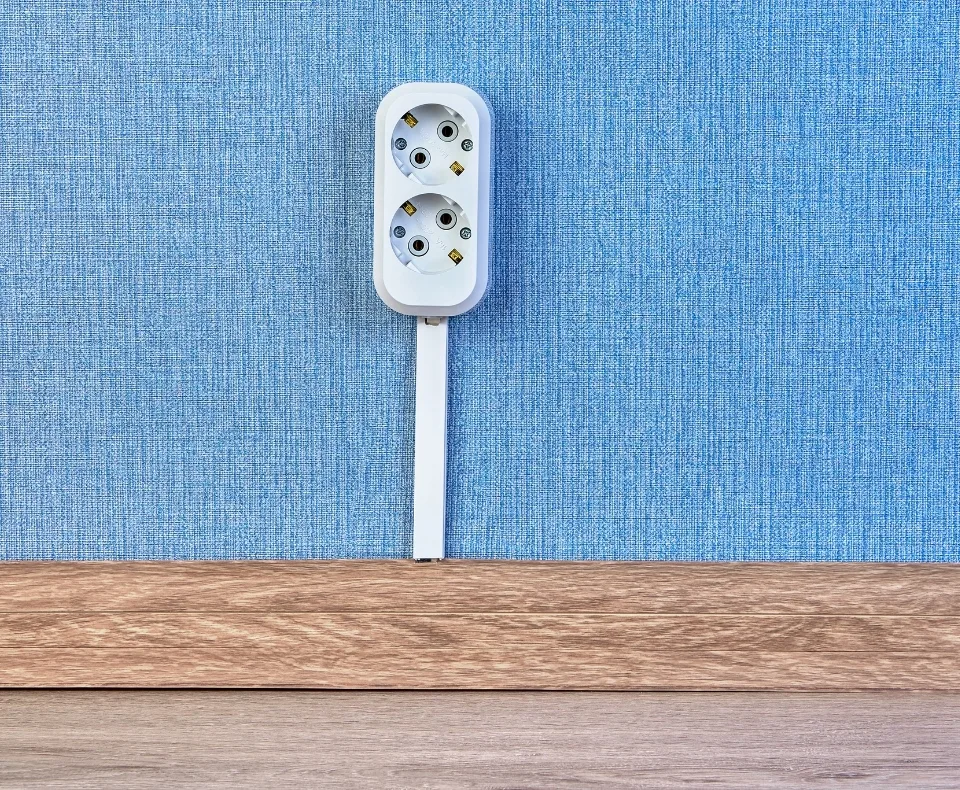
Standard duplex outlets are the most common type of wall outlets found in residential homes. They feature two receptacles, allowing you to plug in two electrical devices simultaneously.
Features
- Voltage and Amperage: Typically rated for 120 volts and 15 amperes.
- Design: Two vertical slots for standard plugs and a grounding slot.
- Usage: Suitable for general household appliances, electronics, and lighting.
Applications
- Living rooms
- Bedrooms
- Kitchens
- Offices
2. GFCI Outlets (Ground Fault Circuit Interrupter)
Description
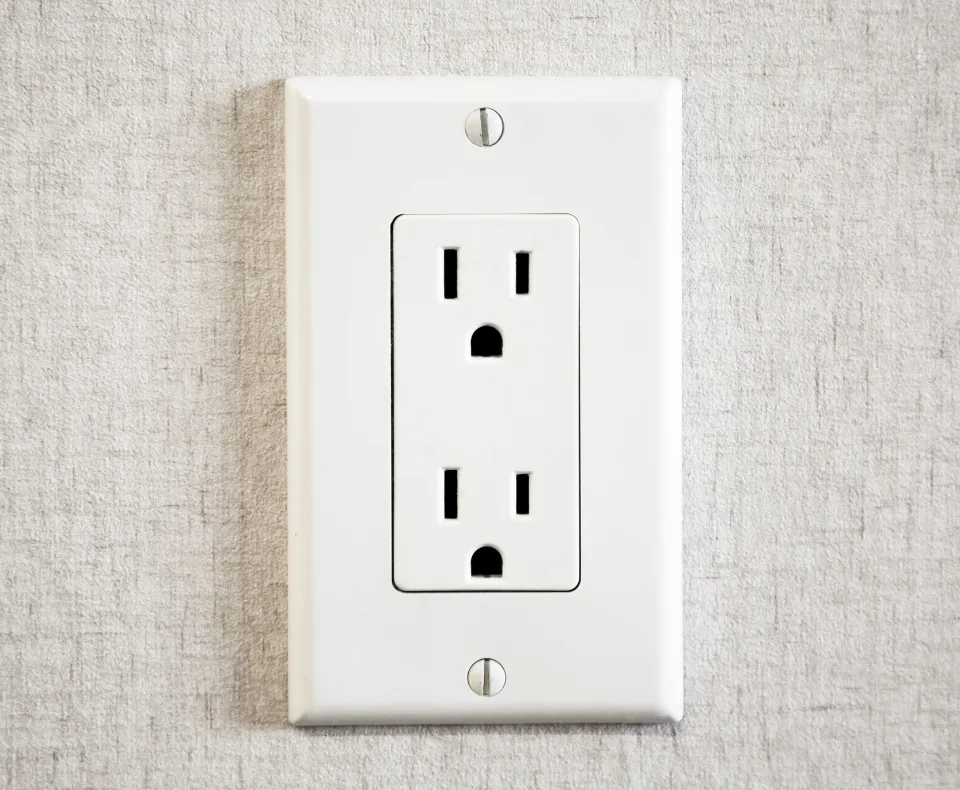
GFCI outlets are designed to protect against electrical shock by monitoring the flow of electricity and shutting off the power if an imbalance is detected.
Features
- Safety Mechanism: Automatically cuts off power when a ground fault is detected.
- Test and Reset Buttons: Equipped with built-in buttons to test the functionality and reset the outlet.
- Usage: Required in areas with high moisture levels.
Applications
- Bathrooms
- Kitchens
- Laundry rooms
- Outdoor areas
3. AFCI Outlets (Arc Fault Circuit Interrupter)
Description
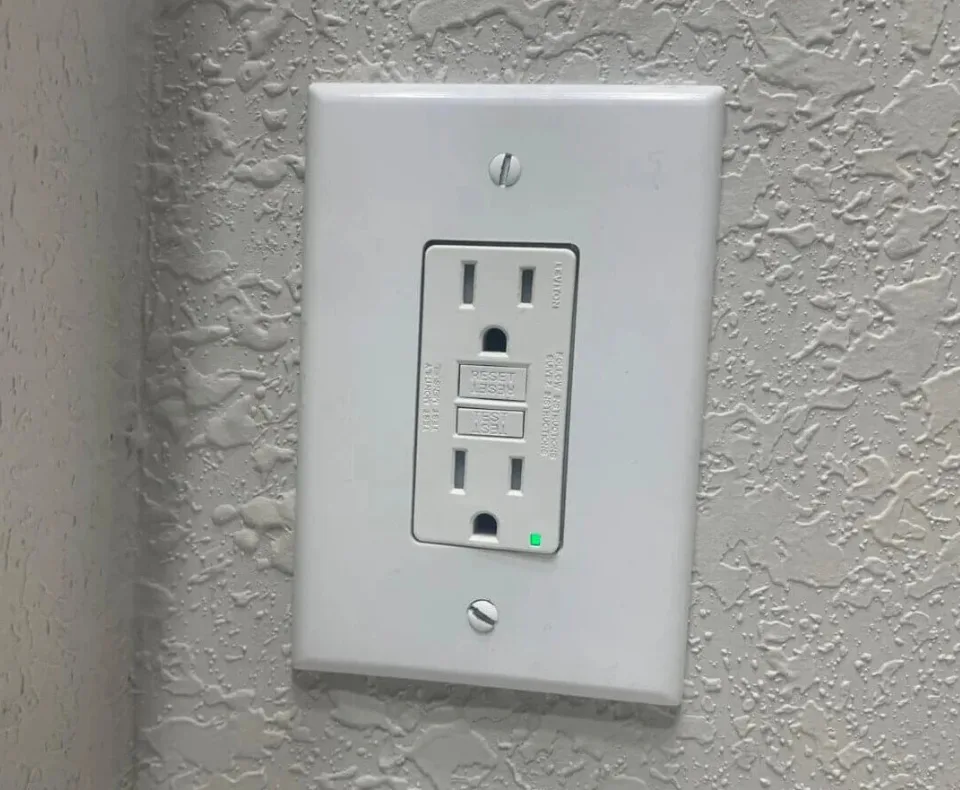
AFCI outlets are designed to prevent electrical fires by detecting and interrupting arc faults, which are unintended electrical discharges that can cause overheating and fires.
Features
- Fire Prevention: Monitors electrical circuits for arc faults and shuts off power if detected.
- Enhanced Safety: Provides protection against both parallel and series arc faults.
- Usage: Increasingly required by modern electrical codes.
Applications
- Bedrooms
- Living rooms
- Dining areas
- Hallways
4. USB Outlets
Description
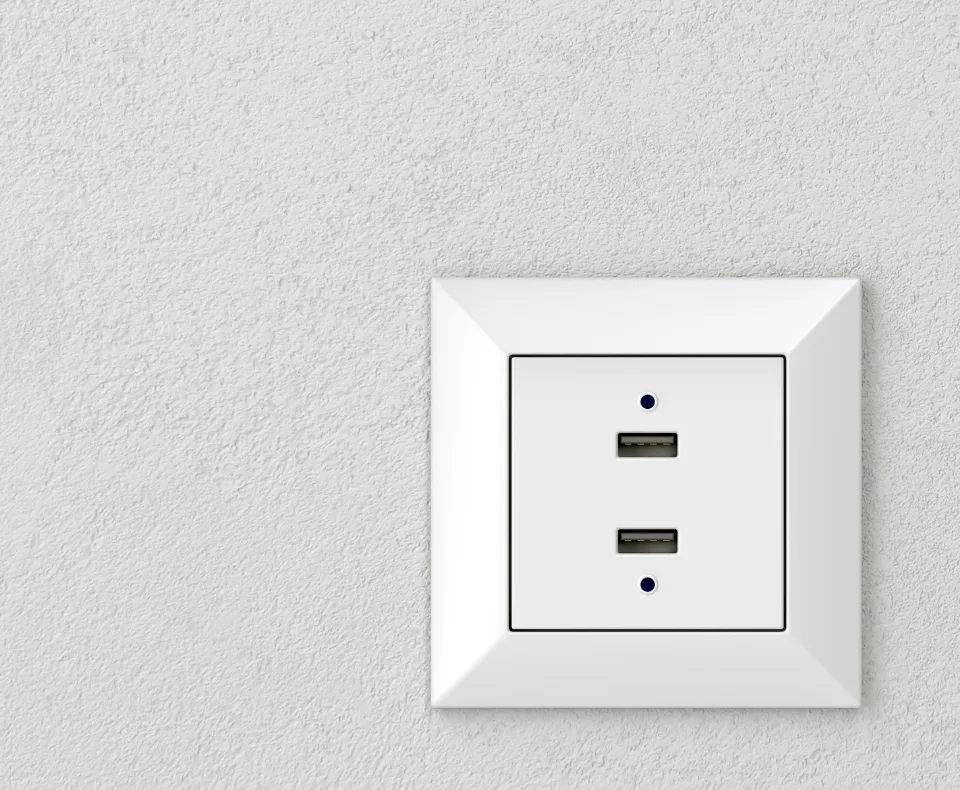
USB outlets integrate USB ports into the standard electrical receptacle, allowing you to charge devices without needing a separate USB adapter.
Features
- Integrated USB Ports: Typically include one or two USB ports alongside standard receptacles.
- Charging Capabilities: Compatible with smartphones, tablets, and other USB-powered devices.
- Convenience: Eliminates the need for additional chargers and adapters.
Applications
- Bedrooms
- Living rooms
- Home offices
- Kitchens
5. Smart Outlets
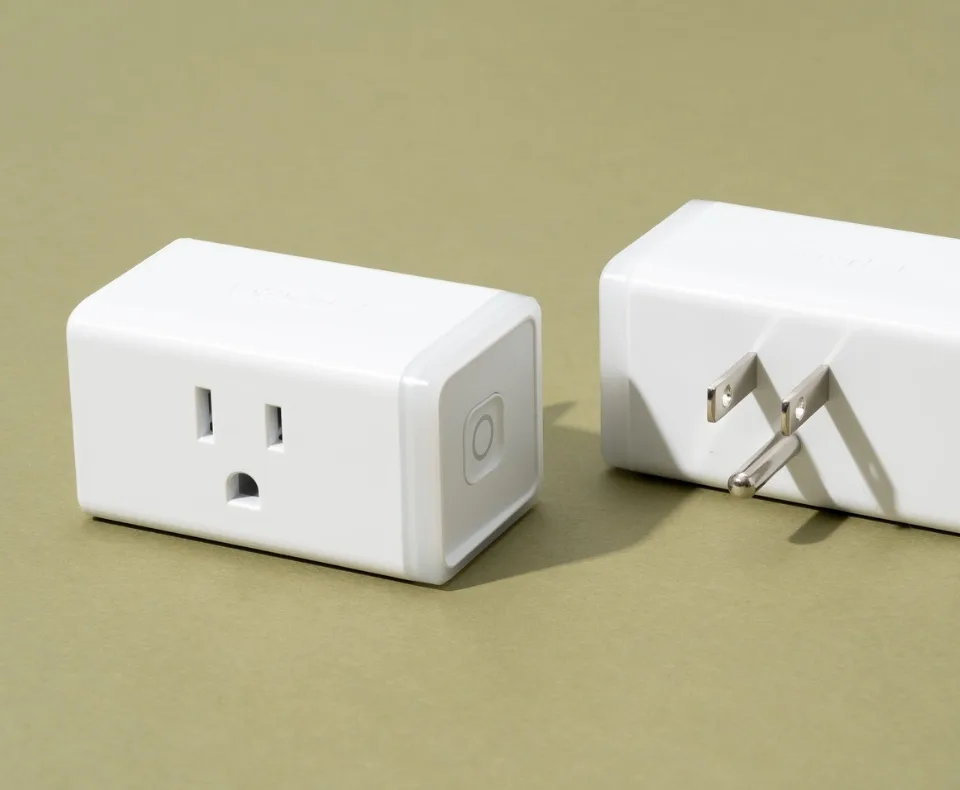
Description
Smart outlets offer advanced functionality by integrating with home automation systems, allowing remote control and monitoring via smartphones or voice commands.
Features
- Remote Control: Manage power usage through mobile apps or smart home assistants like Amazon Alexa and Google Assistant.
- Scheduling: Set timers and schedules for turning devices on or off automatically.
- Energy Monitoring: Track energy consumption of connected devices for better energy management.
Applications
- Home offices
- Entertainment centers
- Kitchens
- Anywhere with smart home integration
6. Decora Outlets
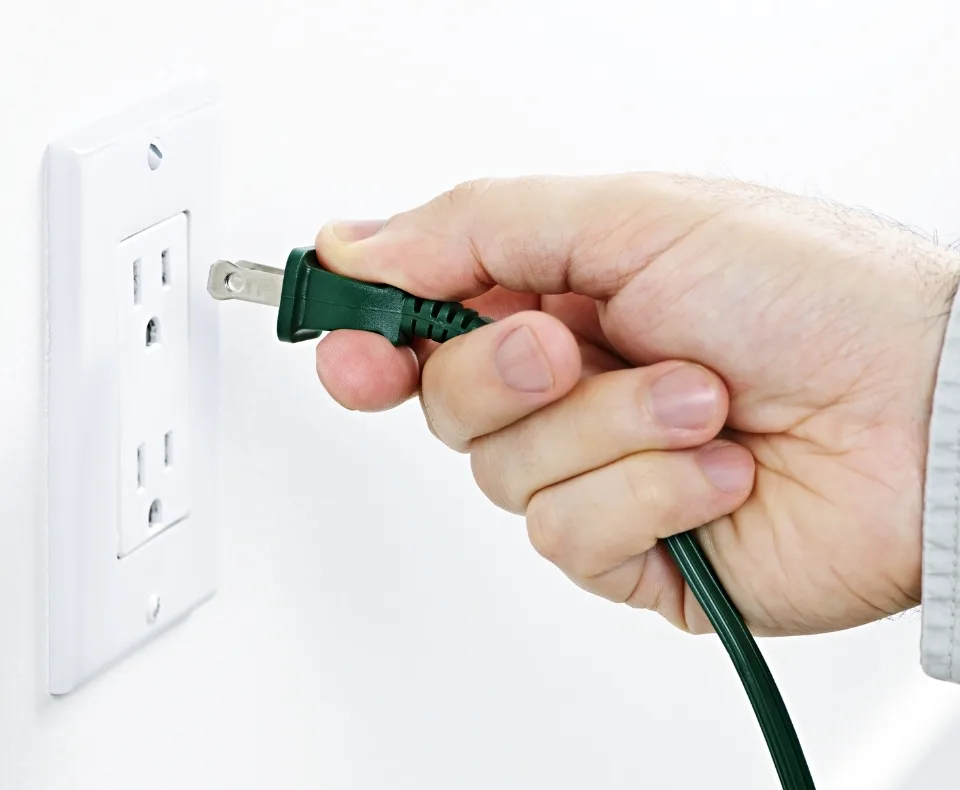
Description
Decora outlets feature a rectangular, flat design that blends seamlessly with modern home decor. They are also known as decorator or wide-face outlets.
Features
- Aesthetic Appeal: Sleek and modern design that complements contemporary interiors.
- Variety of Styles: Available in single, duplex, and specialty configurations.
- Compatibility: Can accommodate different types of plugs and devices.
Applications
- Living rooms
- Bedrooms
- Kitchens
- Any area where aesthetics are a priority
7. Tamper-Resistant Outlets
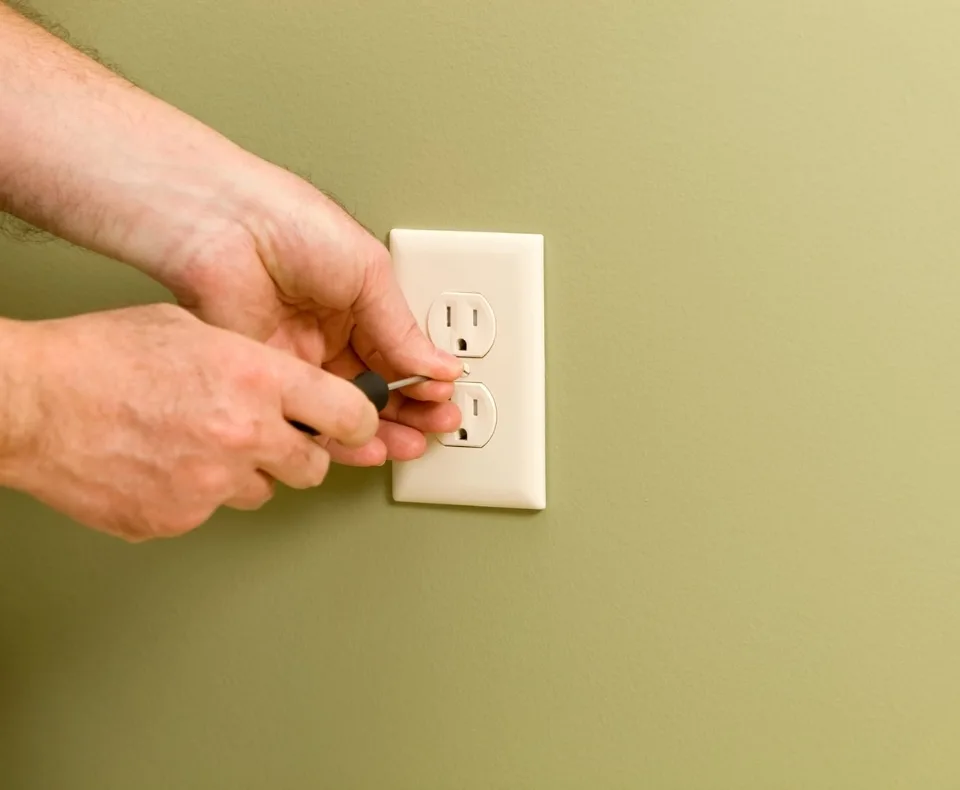
Description
Tamper-resistant outlets are designed with safety in mind, incorporating shutters that prevent foreign objects from being inserted into the receptacles.
Features
- Safety Shutters: Mechanical barriers that block the insertion of objects unless both slots are engaged simultaneously.
- Child Safety: Reduces the risk of electrical accidents involving children.
- Compliance: Required by electrical codes in many regions for new installations and renovations.
Applications
- Homes with young children
- Playrooms
- Bedrooms
- Any area where child safety is a concern
8. Weather-Resistant Outlets
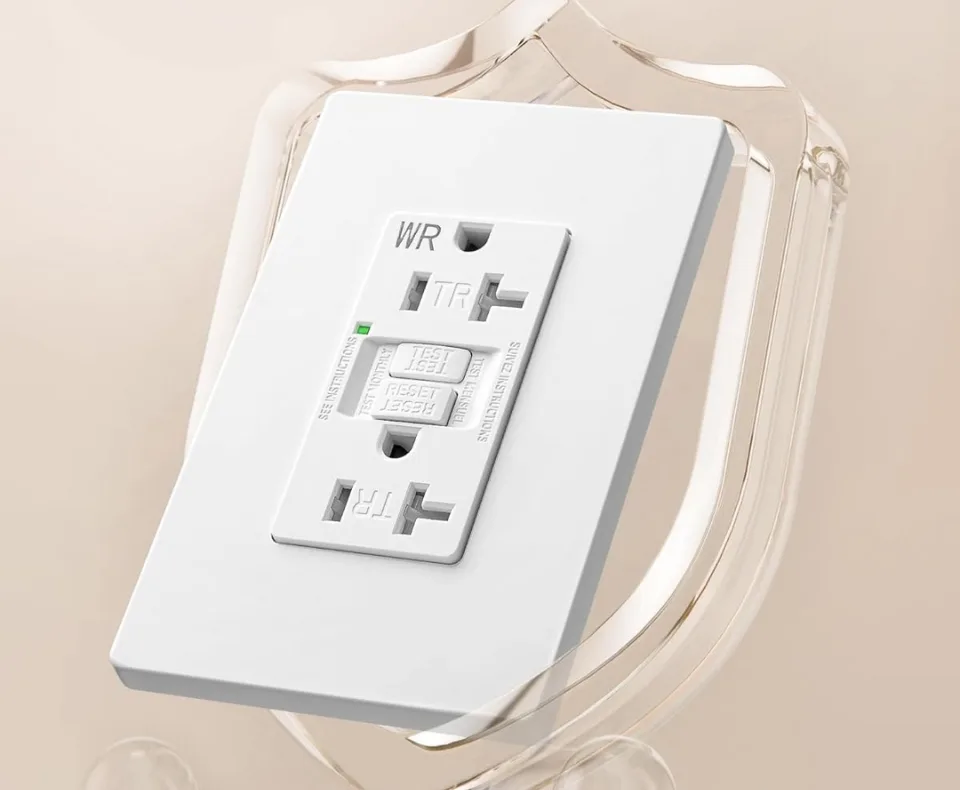
Description
Weather-resistant outlets are specially designed to withstand outdoor conditions, including exposure to moisture, dust, and extreme temperatures.
Features
- Weatherproof Covers: Protects the outlet from rain, snow, and other environmental elements.
- Durable Materials: Constructed from materials that resist corrosion and wear.
- Sealed Connections: Ensures that electrical connections remain secure and dry.
Applications
- Outdoor patios
- Garages
- Sheds
- Exterior walls
9. High-Amperage Outlets
Description
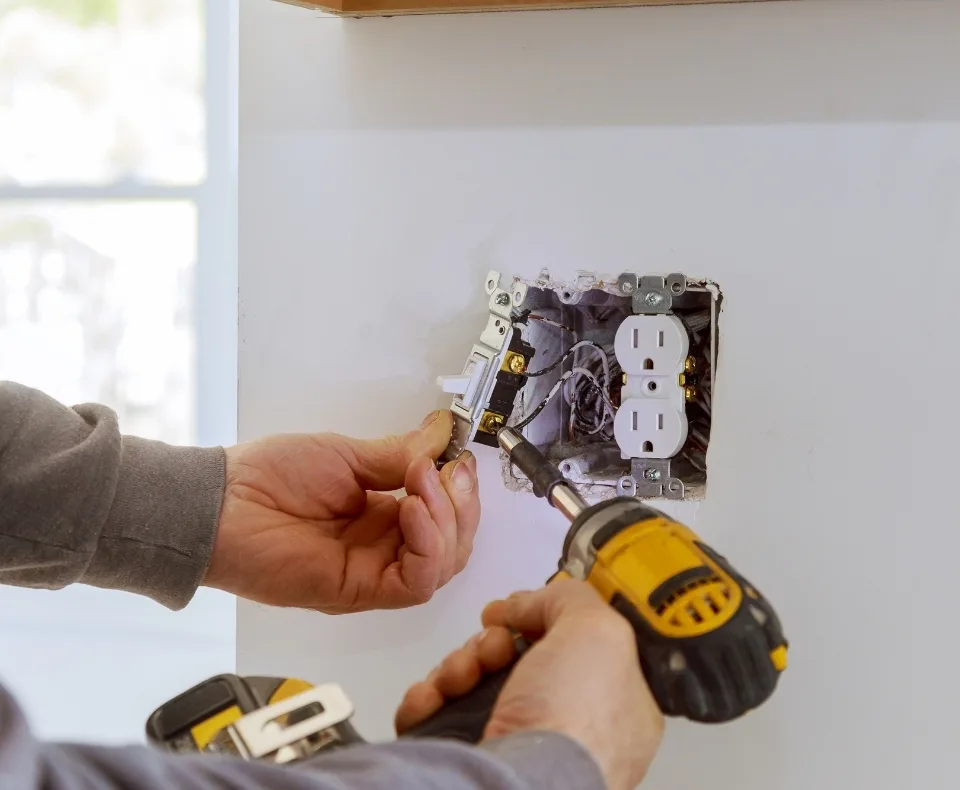
High-amperage outlets are designed to handle higher electrical loads, making them suitable for heavy-duty appliances and equipment.
Features
- Higher Capacity: Typically rated for 20 amperes or more, compared to standard 15-amp outlets.
- Specialized Plugs: Equipped with different configurations to prevent the use of incompatible devices.
- Robust Construction: Built to support larger electrical demands safely.
Applications
- Kitchens (for appliances like refrigerators and dishwashers)
- Workshops
- Laundry rooms
- Home garages
10. Combination Outlets
Description
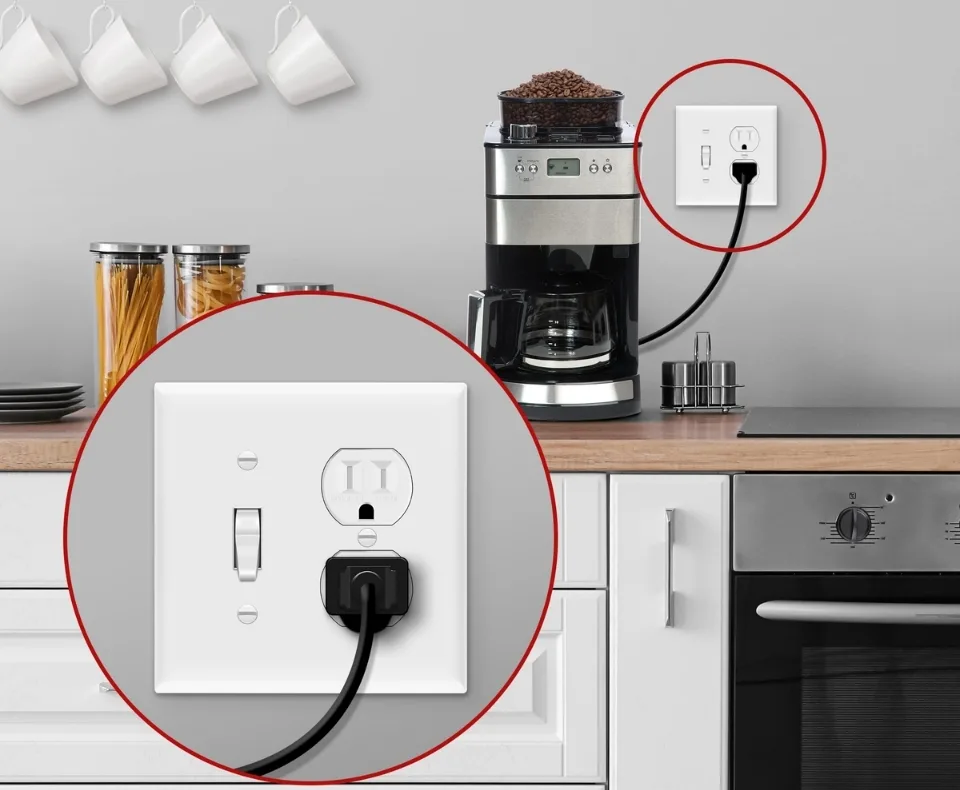
Combination outlets integrate multiple functionalities into a single unit, such as combining a standard receptacle with a USB port or a smart outlet.
Features
- Multi-Functional: Combines various types of outlets and features in one device.
- Space-Saving: Reduces the need for multiple separate outlets.
- Versatility: Suitable for diverse charging and power needs.
Applications
- Living rooms
- Home offices
- Bedrooms
- Anywhere requiring multiple functionalities
Factors to Consider When Choosing Wall Outlets
1. Safety Requirements
Ensure that the outlets meet local electrical codes and safety standards. In areas prone to moisture, such as bathrooms and kitchens, GFCI and weather-resistant outlets are essential.
2. Electrical Load
Consider the electrical load your outlets need to support. High-amperage outlets are necessary for heavy-duty appliances, while standard outlets suffice for everyday devices.
3. Aesthetic Preferences
Choose outlets that complement your home’s interior design. Decora outlets offer a modern look, while standard outlets blend seamlessly into most settings.
4. Smart Home Integration
If you have a smart home system, smart outlets can enhance your home’s automation and energy management capabilities.
5. Future-Proofing
Invest in outlets that can accommodate future technological advancements, such as USB charging ports or smart features, to avoid the need for frequent upgrades.
Conclusion
Selecting the right type of wall outlet is crucial for ensuring the safety, functionality, and aesthetic appeal of your home’s electrical system. From standard duplex outlets to advanced smart and USB-integrated options, understanding the various types available allows you to make informed decisions that meet your specific needs. Whether you’re upgrading your existing outlets, renovating your home, or installing new electrical systems, choosing the appropriate wall outlets can enhance your living experience and provide reliable power access throughout your home.